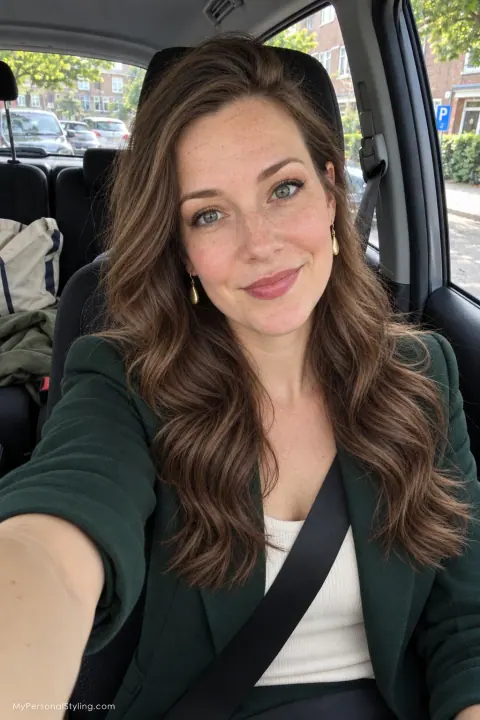
An interview is a reason to prepare your appearance, not to become someone else overnight. The most useful look is one that fits the setting, feels comfortable and lets you focus on the conversation. If you have a few weeks, use that time to test a complete outfit and grooming routine before the day arrives.
Two weeks before: learn the setting
Look at the interview invitation and the organization's public photos or event pages for clues about the dress code. If the setting is unclear, choose a neat version of clothes you already wear comfortably. The aim is to avoid spending the interview adjusting a collar, worrying about shoes or managing an unfamiliar hairstyle.
Write a short brief for yourself:
The interview is [in person / on video] for [type of role]. I want to look [two or three words, such as composed and approachable]. I already own [possible outfit pieces]. I can spend [amount] and have [minutes] to get ready. I wear [glasses or other daily accessories]. I want to avoid [uncomfortable or high-maintenance changes].
This brief can guide an AI tool, a stylist or a friend giving feedback. It is more useful than asking for a generic “professional makeover.”
Ten days before: build two outfit options
Start with pieces you own. Choose a base outfit and a backup that both suit the stated or likely dress code. Try each from head to toe, including shoes, glasses, jewelry and a bag if you will carry one. Sit down, walk and reach for something to catch fit or comfort problems. For video interviews, check how the top half looks in your actual camera frame and lighting.
Our guide to refreshing a look with clothes you own offers a simple way to compare combinations. If glasses are part of your daily look, use our glasses styling guide to consider the neckline, earrings and hair placement together.
One week before: test hair and makeup on a normal day
Choose a hairstyle you can recreate without a rushed experiment. If you usually wear your hair down, test how it behaves through several hours. If you plan to tie it back, check that it remains comfortable with your glasses or headphones. For makeup, test a version that feels familiar and lasts through your usual day. You do not need a new product simply because the event matters.
Take a quick photo of the complete look in the same light you expect for the interview. The photo is a comparison tool: it can reveal a distracting reflection in your glasses, an awkward neckline or a color that looks different on camera. It is not a score for how attractive you are.
Three days before: do a full rehearsal
Put on the base outfit and complete your planned hair and makeup routine. Time it. Check that clothes are clean and ready, shoes are comfortable, and anything you need to bring is in one place. If you have a video interview, test your camera position and background. Write down the exact combination you chose so you do not need to decide again on the morning.
If a detail feels wrong, change one thing, not the whole plan. Try a different top, a simpler accessory or a more reliable hair placement. Keep the backup outfit ready in case of a spill, weather change or last-minute discomfort.
Use an AI tool for comparison, not last-minute reinvention
An AI styling tool can help you visualize two directions or spot combinations you have not tried. Give it your brief and ask for realistic steps:
I have an interview in [number] days for [role and setting]. I want to look [desired impression] and remain comfortable. My dress code is [known or uncertain], my budget is [amount], and I already own [items]. Suggest two complete looks using these pieces first. Include hair and makeup I can finish in [minutes]. Explain what to rehearse and give me one backup option. Do not suggest a major haircut or unfamiliar product immediately before the interview.
Alta describes interview outfits as one use for its digital closet and virtual dressing room. Style DNA shows work outfits built around items in a user's wardrobe. If you need to compare a makeup or hairstyle direction as well, YouCam Makeup describes separate virtual makeup and hairstyle features. These product pages show what each company offers; they do not establish that a generated outfit meets your interviewer's dress expectations or fits your real clothes.
If you use a photo-based preview, remember that the generated image may change clothing fit, fabric or facial details. Check the real clothes on your body and the real hair in your mirror. A visual plan is useful when it helps you choose what to test.
On the day: reduce decisions
Follow the combination you rehearsed. Give yourself a little extra time for travel or camera setup, then stop adjusting once the look is comfortable and neat. The work you did beforehand should leave your attention free for the interview itself.
If you want an example of how hair, makeup and outfits can form one direction, view our sample styling report. Its portraits are fictional AI-generated illustrations, intended to show the format of a plan rather than promise an interview result.